Is The Media In Malaysia Really Controlled By Netizens?
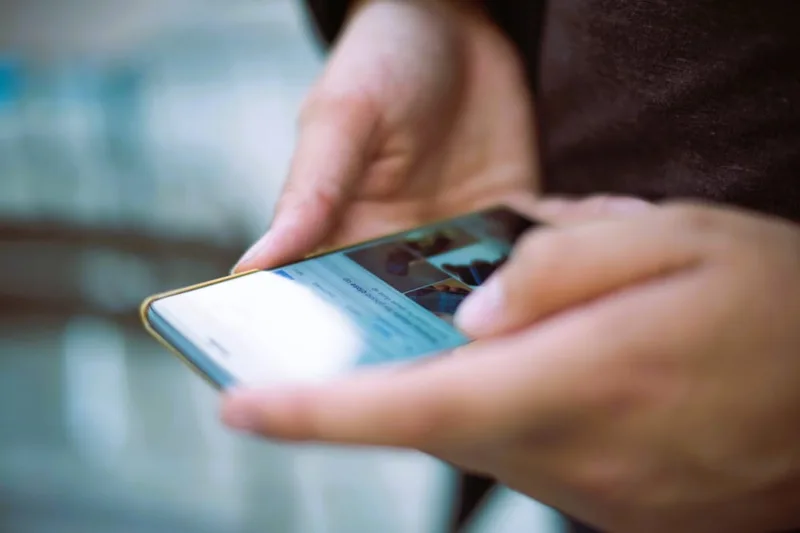
Nowadays, media regulation in Malaysia is largely controlled by the government and regulatory bodies. Public influence, seemingly, is driven by digital media and online netizens, also known as “keyboard warriors.” In everyday Malaysian life, many people tend to be politically passive and reluctant to speak out in real life. However, in online spaces, netizens seem to be opinionated, with significant expression, criticism, and influence over mainstream media propaganda.
In Malaysia, real-life conversations about politics, social injustice, or sensitive national issues are often avoided. The reluctance is rooted in cultural norms, the fear of legal consequences, and long-standing laws that regulate the so-called “freedom of speech,” particularly on sensitive topics involving race, religion, and royalty. Consequently, most Malaysians choose silence in public or private physical spaces. However, this does not disregard the people’s opinion. Instead, the opinion will be bombarded directly on digital platforms, behind the scenes.
Moreover, social media has transformed the Malaysian layperson into an active participant in media narratives. For example, platforms like X (Twitter), Instagram, TikTok, and Facebook let netizens comment on breaking news, call out misinformation, and put pressure on media institutions to address specific concerns. In numerous cases, conventional media outlets only cover a topic after it acquires popularity online. Hashtags, viral videos, and online discussions frequently influence what is newsworthy, implying that digital audiences now play an important role in influencing media attention.
…
This is a brief of a report by another newsroom. The excerpt below is from the original.
Related stories
-
Tesla Malaysia launches Certified Pre-Owned programme – 102-point check General11/21 10:26
-
Say Cheese! 5 Klang Valley Spots To Visit For That Insta-Worthy Mirror Selfie General11/21 10:00
-
'No pathway to urgent care': MSF warns of fallout from UNHCR move General11/21 00:00
-
Sanrio Fever Hits Embassy Row: Inside Intermark Mall’s Mystery Collectible Christmas General11/20 19:24




About this story
- Source
- Business Today
- Originally published
- Nov 21, 2026
- Updated here
- Nov 21, 2026
- Produced by
- Malaysia Times desk (brief) — reporting by the source
- Corrections
- Corrections log · Report an error